How we treat it
The first job is working out which of those two you're describing, and if it's vertigo, what's behind it: what sets it off, how long each episode lasts, what comes with it, then testing it physically instead of guessing.
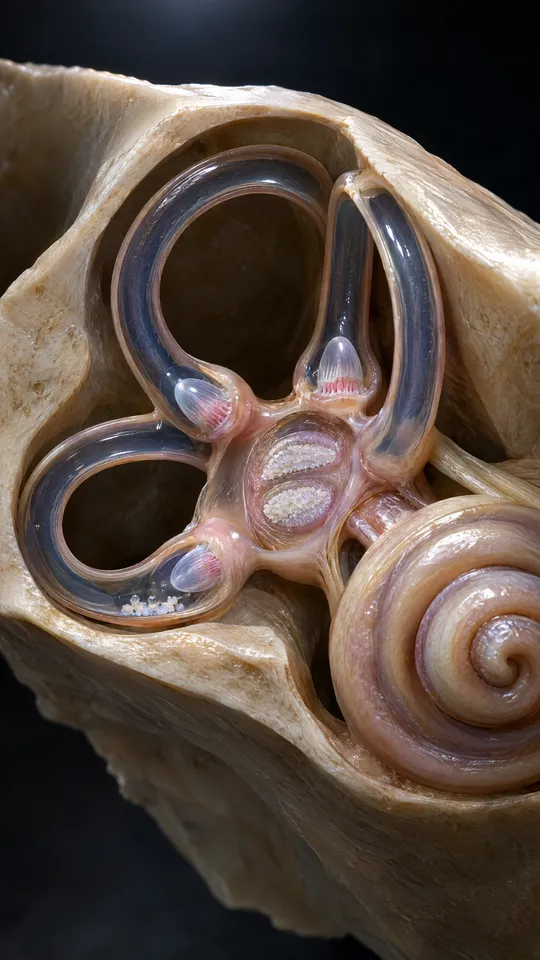
BPPV is identified using positional tests (the Dix-Hallpike test and the Supine Roll Test), which provoke the symptom briefly and show which canal the crystals are sitting in 7. The posterior canal is most commonly involved 7. That answer matters, because the treatment is canal-specific.
For BPPV, the treatment with the best evidence is canalith repositioning: a sequence of head and body positions that uses gravity to move the crystals back out of the canal. The Epley manoeuvre is the best known, and Australian government health guidance describes it as performed by a doctor or a physiotherapist trained in the technique 1,2. A Cochrane review of 11 randomised trials found it safe and effective for posterior canal BPPV, clearly better than sham or no treatment 3. Sometimes a second treatment is needed 2.
The limits are worth stating: Epley is not better than the Semont or Gans manoeuvres, its advantage over Brandt-Daroff exercises was significant at seven days but gone by one month, and the studies were mostly small with short follow-up 3. It's a good treatment, not a magic one.
If your unsteadiness is about strength and confidence on your feet rather than a spinning sensation, that's a different problem. Our Falls Prevention program is built for it. What happens at an actual appointment is set out on our Vestibular Physiotherapy page.